
August 2026 Fight Nights: Romero vs Lopez, Shields vs Scott, and the Gear Gyms Need
August gives boxing two very different main events a week apart. Claressa Shields faces Kaye Scott in Atlanta on the 15th, and Rolando Romero meets Teofimo Lopez in Las Vegas on the 22nd. One is a showcase for the fastest-growing side of the sport; the other is a grudge-adjacent matchup between two fighters who talk as hard as they punch. For gyms, clubs and equipment buyers, the interesting part isn't the result. It's the intake wave that lands about ten days after the final bell.
Romero vs Lopez: Speed, Power, and 8oz Gloves
At 140 pounds, championship bouts are fought in 8oz gloves, light enough that a clean shot ends the night, which is exactly why this weight class produces the highlight reels it does. Lopez is a technician who counters; Romero throws with intent from the opening bell. Neither profile suggests a quiet twelve rounds.
Las Vegas fight nights carry a specific commercial weight that other venues don't. The global broadcast reach is wider, the social media cycle runs longer, and the downstream effect on gym enquiries scales accordingly. For wholesalers and distributors, a Vegas card is the closest thing to a predictable demand event that the sport produces.
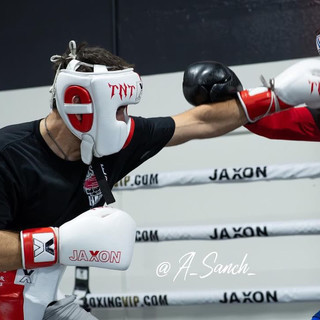
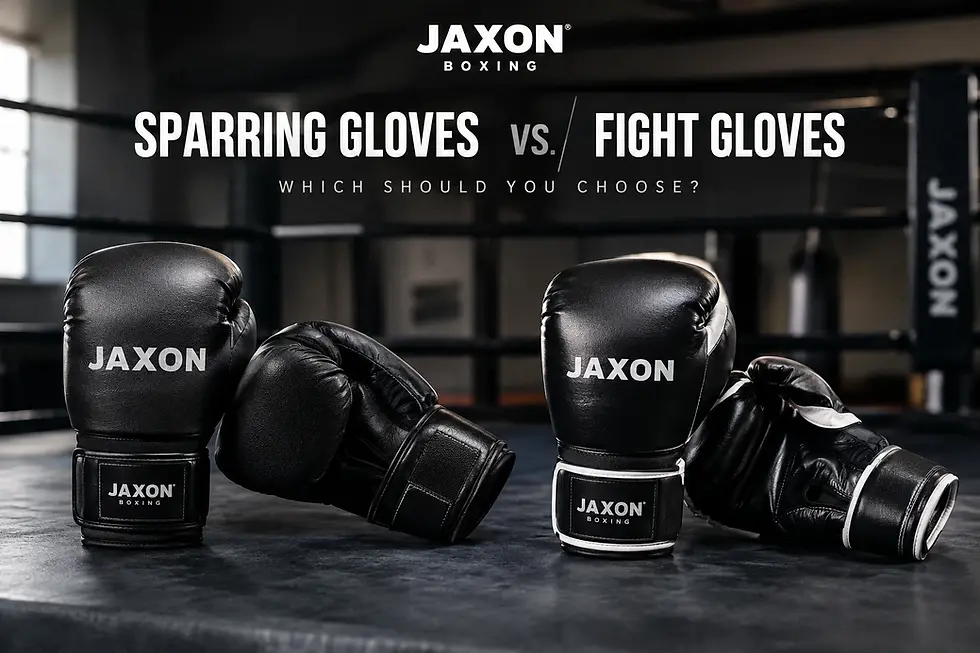
That 8oz spec is the same one your competition-level customers ask about, and it's worth being clear on the distinction when they do. The white fighting boxing gloves sit in the competition category: minimal padding, built for sanctioned bouts, and not a substitute for sparring gear. Gyms that blur the two end up with injured members and shorter membership cycles. Coaches who run both competition and recreational programmes need separate inventory for each, which is where wholesale pricing tiers make the difference between a sustainable operation and one that cuts corners on safety.

Shields vs Scott: The Demographic That's Actually Growing
Women's professional boxing runs to a different format: two-minute rounds, ten-round championship distance, and the participation numbers behind it have been climbing for a decade. Shields has been the sport's most visible name through that entire stretch, and a bout in Atlanta puts her in front of a domestic audience that converts into gym sign-ups faster than almost any other promotional format.
For equipment buyers, this is the part worth planning around. Women's intake classes have different sizing demands and different protective equipment requirements than a men's cohort, and gyms that stock a single spread find out the hard way in week two.
The mistake most first-time buyers make is ordering gloves in one or two sizes and assuming the same headgear fits everyone. It doesn't. A headgear that sits loose shifts on impact, and a shifted headgear blocks vision at exactly the moment a beginner needs it most.
Groin protection is another category where a one-size approach fails across mixed cohorts. Women's and men's guards are shaped differently, and gyms that stock only one version are either turning members away or asking them to train without proper protection. Neither of which builds a returning membership base.
Body protection for coaches and pad-holders is the same across the board. The black gold boxing round body protector covers high-volume class work regardless of who's throwing. Coaches absorb hundreds of shots per session during intake blocks, and a protector that compresses after a few weeks becomes a recurring cost rather than a piece of durable equipment.
Heavy Bags vs Tear Drop Bags: Why Gyms Need Both
New members default to a heavy bag because that's what they've seen on screen. It's the right instinct. A heavy punching bag covers straight punching, power development, and conditioning rounds, and it's the anchor station in any gym layout.
But a heavy bag can't teach uppercuts. The angle is wrong, and a beginner who throws uppercuts at a straight bag learns the wrong mechanics from day one. A tear drop punching bag solves this. It's shaped to receive hooks, uppercuts and close-range combinations at the angles those shots actually travel in a bout. For a gym running a structured curriculum rather than open floor time, the tear drop bag is where technique work happens.
The practical stocking logic is straightforward: heavy bags at a two-to-one ratio over tear drop bags covers most class formats. Gyms that run only heavy bags leave a gap in their programme; gyms that run only tear drops can't serve the conditioning-focused members who make up the majority of a commercial intake.

What to Have on the Shelf Before September
The pattern after a broadcast fight is consistent: enquiries spike for two to three weeks, beginner classes fill, and equipment demand follows. Ordering after the spike means paying for freight urgency on top of stock.
A realistic pre-intake checklist for a commercial gym or academy:
Consumables first. Wraps and tape are the true recurring cost. 1 inch boxing hand wrap tape is what most coaches specify for securing gauze and locking the wrist, and it's the easiest item to under-order.
Pad work capacity. Intake classes are coach-led and mitts take the beating. Black gold boxing focus mitts handle group-class volume without the compression rate of cheap foam.
Sizing spread. A single glove size across an intake cohort is the fastest way to lose members in week two. Order across at least three weight categories.
Bag stations. New members need somewhere to work. Heavy bags and tear drop bags in roughly a two-to-one ratio covers the curriculum.
Retail add-ons. Gyms that sell alongside training capture margin they'd otherwise lose. An olive green boxing gear backpack is a low-friction first purchase for a new member who needs something to carry wraps and gloves home in.
For distributors, retailers and brands, the logic is simpler: fight nights are forecastable demand, and bulk orders placed ahead of one carry better pricing than the same order placed in a panic three weeks later.
Frequently Asked Questions
What glove weight is used at junior welterweight? Bouts at 140 pounds are contested in 8oz gloves. Divisions from middleweight (160 lb) upward move to 10oz.
How is women's professional boxing different from men's? Women's professional bouts use two-minute rounds with championship fights scheduled for ten rounds, compared with three-minute rounds over twelve in men's championship boxing. Equipment sizing and protective gear requirements also differ.
Do women's gyms need different equipment stock? Yes. Sizing ranges for gloves and headgear differ, and protective equipment like groin guards is shaped differently. Gyms running mixed intakes should carry a wider spread rather than duplicating a single specification.
What's the difference between a heavy bag and a tear drop bag? A heavy bag suits straight punching, power work and conditioning. A tear drop bag is shaped for uppercuts, hooks and close-range combinations at realistic angles. Most gyms benefit from stocking both at roughly a two-to-one ratio.
Can gyms, clubs and academies order boxing equipment wholesale? Yes. Gyms, sports clubs, academies, retailers and brands can order in bulk at wholesale pricing with tiers that improve as quantity increases.
When should a gym place a bulk order ahead of a fight-driven intake? Most operators order four to six weeks ahead, which covers manufacturing and freight without paying urgency premiums on shipping.
Why do coaches need body protectors for pad work? During intake blocks, coaches absorb hundreds of shots per session across multiple classes. Without a body protector, fatigue and injury accumulate quickly, and the coach becomes the bottleneck in the programme.
Order Before the Rush, Not During It
Two fight nights in one month means two intake waves. The gyms that convert them are the ones with gloves on the rack and wraps on the shelf when the door opens.
If you're a wholesaler, distributor, retailer, gym or academy building an order ahead of September, browse the full range or get in touch for bulk pricing tiers.


Comments