
How to Choose the Right Boxing Glove Size: A Simple Weight & Fit Guide
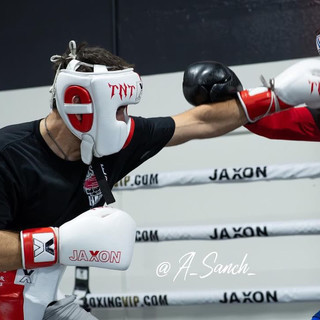
If you've ever stood in front of a wall of gloves wondering what size boxing gloves do I need, you're not alone — it's the first question almost every fighter I coach asks me. Pick the wrong size and you'll either rattle around in padding that's too bulky or, worse, risk your hands in gloves that are too light for what you're doing. The good news: once you understand how glove weight (measured in ounces) actually works, choosing the right pair takes about thirty seconds.
I'm Jaxon, and I've spent years in the ring and the gym figuring out exactly which gloves work for which job. In this guide I'll walk you through glove weight by body size, the difference between sparring and heavy bag gloves, a quick size chart, and how a glove should feel when it fits right. By the end you'll know precisely what to buy.
Why Boxing Glove Size Is Measured in Ounces (oz)
Boxing gloves aren't sized like clothing — they're measured by weight in ounces (oz), not by how big your hand is. That weight comes mostly from the padding. A heavier glove has more foam, which means more protection for both you and your training partner.
So when someone asks about a "12 oz" or "16 oz" glove, they're really asking how much padding is packed around the fist. More ounces means more cushioning and a slightly larger, heavier glove. Fewer ounces means a lighter, faster, less-padded glove. That single idea is the foundation of this entire guide.

What Size Boxing Gloves Do I Need? (Quick Answer)
For most adults, the answer comes down to two things: your body weight and what you're using the gloves for. Here's the short version before we go deeper:
If you mainly hit the heavy bag and pads, a 12 oz to 16 oz glove is your range.
If you spar with partners, 16 oz is the standard and the safest choice.
Lighter fighters and those with smaller hands can size down; heavier fighters should size up.
Now let's break that down properly.
Boxing Glove Size Chart by Body Weight
Use this as a starting point — it's the same rule of thumb I give beginners on day one. Your body weight is the easiest way to land in the right ballpark.
Your Body Weight | Recommended Glove Size | Best For |
Under 100 lbs (kids/teens) | 6–10 oz | Bag work, light training |
100–125 lbs | 12 oz | General training, bag work |
126–150 lbs | 12–14 oz | Training and light sparring |
151–175 lbs | 14–16 oz | Training and sparring |
176–200 lbs | 16 oz | Sparring, all-around use |
Over 200 lbs | 16–18 oz | Sparring, heavy hitters |
A quick note on this boxing glove weight guide: these are recommendations, not hard rules. When you're between two sizes, going up by one is almost always the safer call — your hands will thank you in a year.

Sparring vs Heavy Bag: Matching the Glove to the Job
This is where most people get it wrong, so it's worth slowing down. The activity matters as much as your weight.
Heavy Bag and Pad Work
For the bag, you want enough padding to protect your knuckles and wrists from repeated impact, but not so much that your hands tire instantly. For most people the best gloves for a heavy bag workout land in the 12 oz to 14 oz range. If you're a larger or harder hitter, 16 oz gives extra knuckle protection over long rounds.
If you're just starting out, don't overthink it. The best boxing gloves for a heavy bag beginner are simply a well-padded 14 oz or 16 oz pair that protects your hands while you're still learning to throw a clean punch. Beginners tend to land awkwardly at first, so a little extra padding is your friend.
Sparring With Partners
Sparring is non-negotiable: 16 oz is the standard, and many gyms require it. In fact, sanctioning bodies like USA Boxing set specific glove requirements for official competition, which is why most coaches default to 16 oz for sparring too. The extra padding isn't about protecting you — it's about protecting the person across from you.
A common question I get is whether 12 oz boxing gloves for sparring are okay. For most adults, no — they're too light to spar safely. Save your 12 oz pair for bag and pad work, and use 16 oz when a partner is involved.

Choosing Gloves for Smaller or Larger Hands
Weight isn't the whole story — fit matters too. If you've struggled to find a pair that doesn't swallow your hand, look specifically for the best boxing gloves for small hands, which are cut with a narrower hand compartment and a snugger fist channel rather than just less padding. Sizing down in ounces helps, but the shape of the glove is what really locks a smaller hand in place.
Larger hands have the opposite problem and should generally size up so the fingers aren't crammed against the end of the glove. When in doubt, the fit test in the next section settles it.
Velcro vs Lace-Up: A Quick Word on Closure
While we're talking fit, the closure type affects it too. Velcro (hook-and-loop) gloves are easy to get on and off solo — ideal for bag work and most training. Lace-up gloves, like a classic pair of 12 oz lace-up boxing gloves, give a tighter, more custom wrist fit that a lot of fighters prefer for sparring and competition, but you'll usually need a hand to tie them. Neither is "better" — it's about whether you train alone (velcro) or have someone to lace you up (laces).
How Boxing Gloves Should Fit
You've got the right weight and closure — now here's how to know the fit is right:
Your fingers should reach the top of the glove with a little room, not crammed and not floating.
With a hand wrap on underneath, the glove should feel snug but not painful. Wraps add bulk, so always try gloves on the way you'll actually wear them.
Your fist should fill the padding so the glove doesn't twist when you punch.
The wrist strap or laces should hold firm with no sloppy side-to-side movement.
If the glove twists on impact or your wrist wobbles, it's too big. If your knuckles press hard against the front padding, it's too small.
Don't Forget Hand Wraps
Whatever gloves you choose, wear hand wraps underneath every single time. They support your wrist, protect the small bones in your hand, and — practically speaking — soak up sweat so your gloves last longer and smell better. Factor the wrap into your sizing: if you're right between two glove sizes, the wrap is one more reason to go up rather than down.
Frequently Asked Questions
What size boxing gloves do I need as a beginner? For most adult beginners, a 14 oz or 16 oz glove is the safest all-around starting point. It protects your hands while you're still developing technique and works for both bag work and light training.
Are 12 oz gloves good for sparring? For most adults, no. 12 oz boxing gloves are better suited to heavy bag and pad work. Use 16 oz for sparring so there's enough padding to keep your partner safe.
What's the difference between 12 oz and 16 oz boxing gloves? The number is the weight from padding. 12 oz gloves are lighter and faster with less cushioning (good for bags), while 16 oz gloves have more padding and are the standard for sparring.
What size gloves are best for a heavy bag workout? Most people do well with 12 oz to 14 oz on the bag. Larger or harder hitters may prefer 16 oz for extra knuckle protection over long sessions.
How should boxing gloves fit? Snug but not painful with a hand wrap on, fingers reaching the top with slight room, and a secure wrist so the glove doesn't twist when you punch.
Final Thoughts: Pick the Right Pair the First Time
Choosing the right boxing glove size really comes down to two questions: how much do you weigh, and what are you using them for? Match the ounces to your body and your training, get the fit snug over a hand wrap, and keep a dedicated 16 oz pair for sparring. Do that and you'll protect your hands for the long haul instead of replacing gloves — or nursing sore wrists — every few months.
If you want gloves that are built for exactly this, take a look at Jaxon's boxing gloves collection — JAXON BOXING GLOVES and grab the size that matches your weight and training from the chart above.


Comments