
Spence vs Tszyu 2026: Inside the Junior Middleweight Title Fight and the Gear Behind It
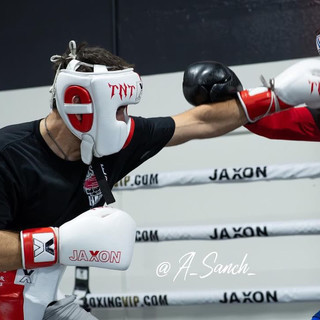
Saturday's junior middleweight title bout between Errol Spence Jr. and Tim Tszyu is the kind of fight that empties gyms and fills living rooms. Two former champions, one belt, and a Sydney crowd that has never once been quiet for a Tszyu walkout. But if you run a boxing gym, stock a fight shop, or supply equipment to academies, there's a second story running underneath the main event the one about gloves, wraps and mitts, and why the weekend after a fight like this is the busiest week of your year.

The Matchup: Two Fighters With Something to Prove
Spence built his reputation at welterweight on volume and pressure a southpaw who wins rounds by simply not stopping. Tszyu, working out of Sydney, has made his name at 154 pounds with a heavier, more deliberate style and a right hand that changes fights. Both men arrive at this bout carrying recent losses, which is exactly what makes it interesting: neither can afford a cautious performance, and neither has the luxury of a long-game strategy.
The junior middleweight division has quietly become one of boxing's most competitive weight classes, and the winner here re-enters the conversation at the top of it. For a home crowd in Australia, a Tszyu win is a career reset. For Spence, it's proof that the move up in weight was the right call.
Why the Weight Class Changes the Equipment?
Here's the part most fight previews skip. Junior middleweight title bouts are contested in 8oz gloves the same as welterweight, and lighter than the 10oz used from middleweight upward. That two-ounce difference is the whole reason 154 is such a knockout-heavy division. Less padding, more transfer, shorter fights.
That distinction matters commercially, because it drives what your customers ask for after a big fight. Competition gloves and training gloves are not interchangeable, and gyms that stock only one end up disappointing half their members:
Competition gloves (8–10oz): minimal padding, sanctioned bouts only, replaced frequently.
Sparring gloves (14–18oz): heavier padding to protect both athletes, the highest-turnover category in any commercial gym.
Bag and training gloves (12–16oz): the everyday workhorse, and the SKU that moves in genuine volume for wholesale buyers.
Amateur and youth programmes work to their own published equipment standards, so clubs running both pathways should check current competition rules before committing to a bulk order. If you supply gyms, academies or fight schools, the black training boxing gloves sit in that third category built for daily class use and repeat sessions rather than one night under the lights.

Hand Wraps: The Detail Nobody Watches and Everybody Needs.
Before either fighter puts a glove on, a commission official watches their hands get wrapped. Professional wrapping in a title fight is a supervised, documented process gauze, tape, and a signature because the hand is where fights are actually lost. Twenty-seven bones, and a boxer who breaks one is out for months.
For gyms, wraps are the true consumable. Gloves last a season; wraps get replaced constantly, lost constantly, and bought in bulk constantly. The 1 inch boxing hand wrap tape is the format most coaches specify for securing gauze and locking the wrist, and it's the single easiest item to under-order before a busy intake month.
The Post-Fight Demand Spike Is Real Plan Your Stock Around It
Every major broadcast fight produces the same pattern: gym enquiries jump for two to three weeks afterward, beginner classes fill, and equipment demand follows about ten days behind. Wholesalers, distributors and retailers who order after the spike are already too late freight and lead times eat the window.
For gym owners and academy operators, the practical prep list is short:
Beginner packages. New members need wraps and training gloves on day one. Bundle them.
Pad work capacity. Intake classes are coach-led, and coaches burn through mitts. The red gold boxing focus mitts cover partner drills and pad rounds without the wear rate of cheaper foam.
Sizing spread. A single glove size across an intake cohort is the fastest way to lose members in week two.
For distributors and brands, the takeaway is simpler still: fight nights are a forecastable demand event, and bulk ordering ahead of one is the cheapest margin you'll ever find.
Frequently Asked Questions
What glove weight is used in a junior middleweight title fight? Junior middleweight (154 lb) championship bouts use 8oz gloves. Divisions from middleweight (160 lb) upward move to 10oz. The lighter glove is a large part of why 154 produces so many stoppages.
What's the difference between competition gloves and training gloves? Competition gloves have minimal padding and are used only in sanctioned bouts. Training and sparring gloves carry significantly more padding typically 12oz to 18oz to protect both athletes during repeated sessions. Using competition gloves for sparring is how gyms end up with injured members.
How often should a gym replace training gloves? For commercial gyms running daily classes, most operators budget on a six to twelve month replacement cycle depending on usage. Wraps and tape are treated as ongoing consumables rather than durable equipment.
Can gyms and clubs buy boxing equipment wholesale? Yes. Gyms, academies, sports clubs, retailers and brands can order equipment in bulk at wholesale pricing, typically with tiered pricing that improves as quantity increases.
Why does hand wrap tape matter if you already use wraps? Tape secures the wrap at the wrist and prevents it loosening mid-session or mid-round. Without it, a wrap that slips leaves the wrist unsupported at exactly the wrong moment.
Do beginners need different gloves than experienced boxers? Beginners are generally better served by heavier training gloves, which offer more padding while technique is still developing. Most gyms start new members in the 14oz to 16oz range regardless of body weight.
What should a gym look for in focus mitts for high-volume class use? Density and stitching matter more than branding. Mitts used in group classes absorb far more impact per week than mitts used one-on-one, so foam that compresses quickly becomes a recurring replacement cost rather than a one-time purchase.
Stocking Up Before the Rush
Fights like Spence vs Tszyu do more for grassroots boxing than any marketing campaign. The gyms that benefit are the ones with gloves on the rack and wraps on the shelf when the new intake walks through the door.
If you're a wholesaler, distributor, retailer or gym operator building your order ahead of the next intake cycle, browse the full range or get in touch for bulk pricing tiers.


Comments